

 |
Maximum Allowable Operating Pressure (MAOP) |
Maximum Allowable Operating Pressure (MAOP) is a fundamental principle that ensures the safety and integrity of pipeline systems. MAOP stands for the maximum pressure at which a pipeline or its components can be safely used for a given period. It is a crucial factor in engineering, including the design, construction, and monitoring of pipeline systems.
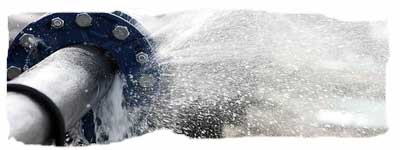
The primary goal of a MAOP is to protect pipeline infrastructure, the environment, and public safety.
Pipelines transport many substances, including natural gas, oil, and other hazardous materials. Exceeding design pressure limits can lead to catastrophic pipeline failures, resulting in leaks, environmental damage, and even fatalities.
Therefore, the MAOP serves as a crucial measure to prevent such incidents by limiting operational pressure to a safe level.
Several factors influence the MAOP for a pipeline system. These include the material properties of a pipeline, such as strength and toughness, the wall thickness and diameter of the pipe, the type of fluid being transported, and the environmental conditions in which the pipeline is located.
Additionally, the general condition of the pipeline system can affect the MAOP, and this must be taken into account so that an engineer can calculate an MAOP that ensures the pipeline operates within safe limits.
The calculation of MAOP is a process involving multiple variables and technical calculations, and can be considered relatively complex.
Generally, the weakest component in the piping system is taken into account. This can be a specific pipeline segment, such as a valve or another integral part.
The calculation is based on various parameters, such as the yield strength, wall thickness, and diameter of the pipe. The formula usually used is derived from Barlow's equation, which relates internal pressure to wall thickness and diameter, thereby ensuring that the calculated MAOP does not exceed the yield strength of the material.
Worldwide, the determination and enforcement of MAOPs are regulated by competent authorities and industry standards.
In the United States, for example, the Pipeline and Hazardous Materials Safety Administration (PHMSA) of the Department of Transportation establishes regulations that pipeline operators must adhere to when maintaining and operating pipeline systems within their MAOPs. The American Society of Mechanical Engineers (ASME) also discusses MAOPs in detail.
Similar regulations also exist in other countries, designed to align with international standards established by organizations such as the International Organization for Standardization (ISO), with the ISO 19345 standard.
In short.. MAOP is an essential component of pipeline system safety, serving as protection against potential failures and guaranteeing the safe transport of products. By understanding the conditions that can influence MAOP, complying with regulatory standards, and implementing effective integrity management programs, the pipeline industry can continue to operate safely and efficiently and meet the demands of a growing pipeline world.
Related Post(s)
