
Sydney Opera House
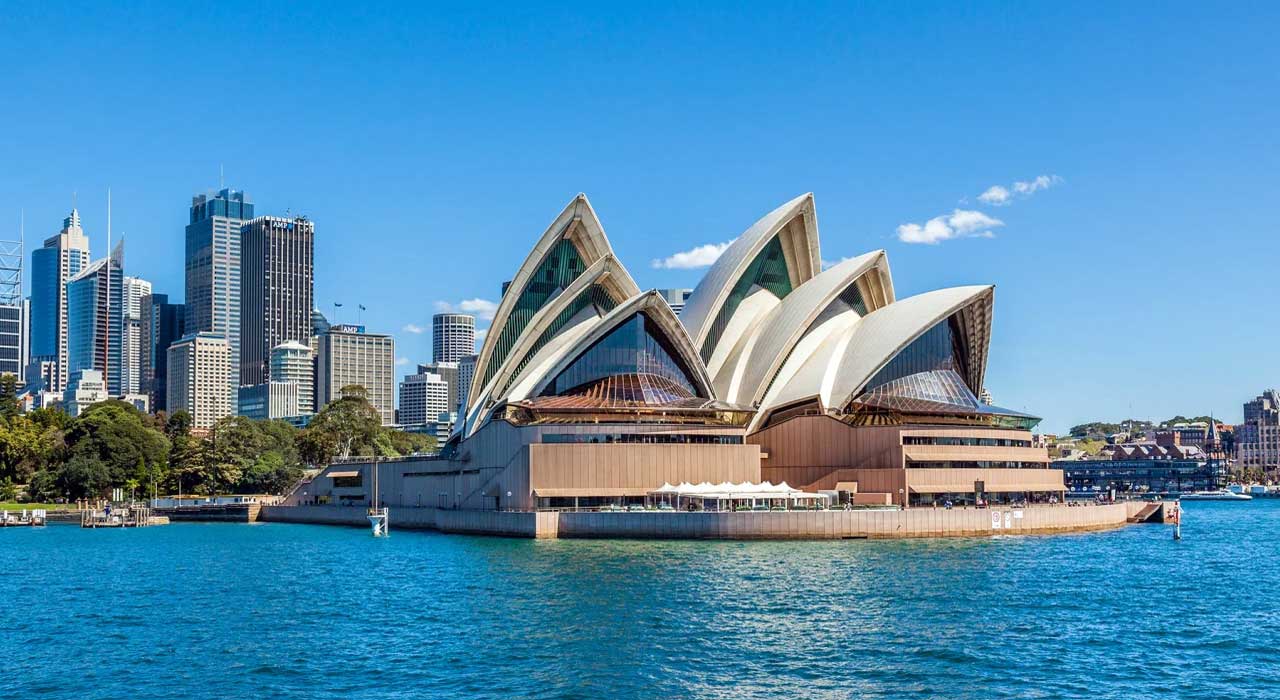
To say that the Sydney Opera House is a famous landmark of Australia is roughly the same as calling the Amazon a stream.
The Sydney Opera House owes its existence to the courage of a few pioneers who broke new ground. From the initial concept to its completion, the building pushed the boundaries of engineering, construction, and design.
Designed by Danish architect Jørn Utzon, this World Heritage listed masterpiece represents a milestone in modern architecture. Its iconic sails have become a symbol of Sydney and modern Australia.
The Opera House Competition
On February 15, 1956, Prime Minister Cahill announced an international competition for a national opera house in Bennelong Point. The competition guidelines were contained in a 25 page booklet known as the Brown Book, with black and white photographs of Bennelong Point. Participants had to register for the competition by paying a fee of 10 Australian pounds.
On April 9, 1956, Danish architect Jørn Utzon sent his twelve drawings to Sydney, just before the competition ended in December.
Due to its originality, the design was, according to the judges of the Opera House Competition, clearly controversial.
On January 29, 1957, Prime Minister Cahill announced that design 218 by Jørn Utzon, the unknown 38-year old Dane from Hellebæk, was the winner of the competition.
We have studied these drawings time and again and are convinced that they present a concept for an opera house capable of becoming one of the largest buildings in the world, the four judges wrote in their report. Because of its originality, it is clearly a controversial design. However, we are absolutely convinced of its value.
The cost of the project was estimated at 3.5 million pounds.
Architecture
By the mid-1950s, Modernism and the International Style had already been on the rise for thirty years. Modernist architects rejected the decorative motifs and ornaments of pre-World War I architecture and preferred to showcase the structure of a building, placing function over form. Such modernist buildings typically resembled glass boxes, like many of the entries for the Sydney Opera House design competition.
In contrast, Utzon's design was more sculptural and expressionistic. Among the competition entries, it was unique because it optimally utilized Bennelong Point's harbor location, allowing the building to be viewed from every angle. In the same year that Utzon's designs were selected in Sydney, Mies van der Rohe's Seagram Building was under construction in New York. Completed in 1958, the Seagram Building is considered a pinnacle of modern architecture and demonstrates how far ahead of its time Utzon's opera house was.
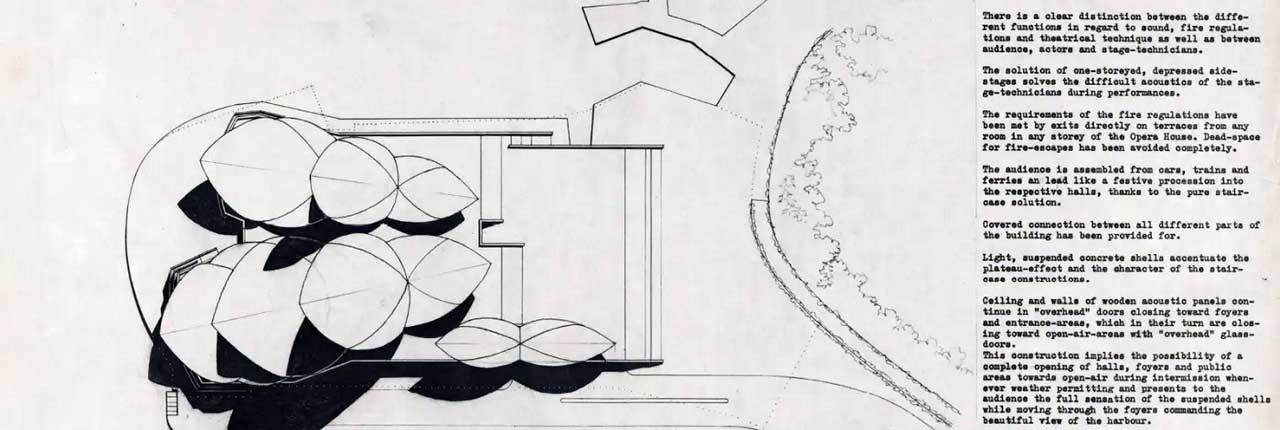
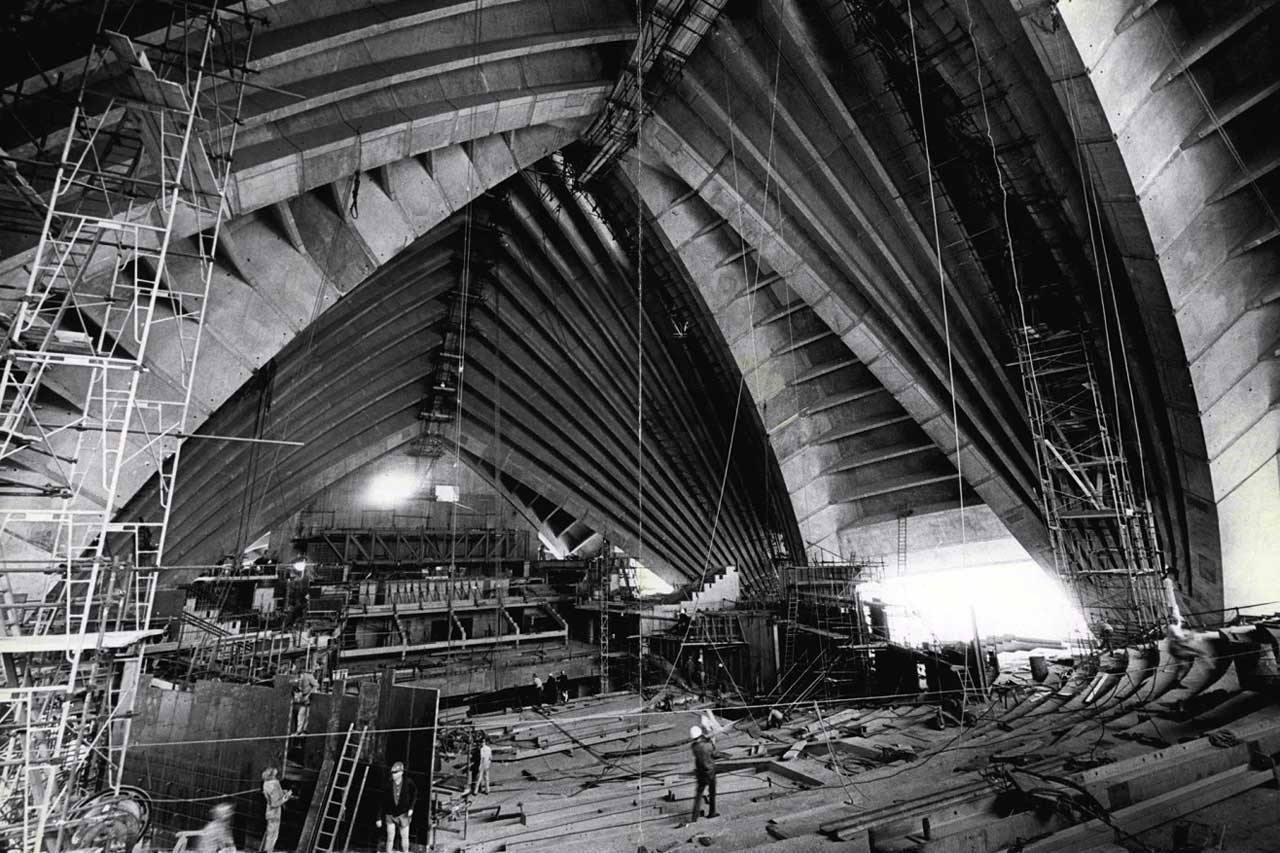
Image.. Golding/Fairfax Media/Getty Images
The opening of the Opera House in 1973 marked the beginning of a new era of cultural discovery. Five decades later, it is Australia's premier tourist destination, one of the world's most visited performing arts centers, and a meeting place for all Australians. Its programming encompasses numerous art forms and attracts a diverse audience both on site and online.
Reference.. www.sydneyoperahouse.com
Related Post(s)

The Bauhaus was an avant garde design studio that operated in Germany between 1919 and 1933. Founded by architect Walter Gropius...