
 |
Lifting and Rigging Slings |
Lifting and Rigging Slings refers to a wide range of devices used to lift and move heavy objects.
Lifting slings are indispensable in numerous sectors, including industrial construction,
mining, and transportation. Lifting slings are essential components of any lifting operation and serve
as the connection between the load and the hoist.
Choosing the right types of lifting slings is important to ensure safety and efficiency in every lifting
operation. There are various types of lifting slings designed for a wide range of tasks, so understanding
their specific characteristics is crucial to protecting personnel and equipment.
Thorough training and proper maintenance are essential when using lifting slings to ensure safe and effective operation.
Types of Lifting and Rigging Slings
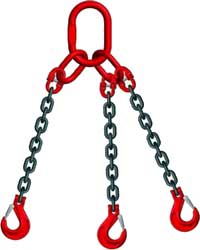
They are used in harsh conditions, such as on construction sites and in factories, because they can withstand heat, sharp edges, and heavy wear and tear.
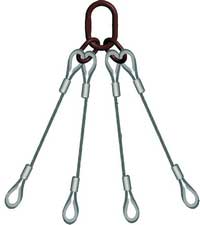
This construction offers a combination of strength and flexibility, making steel wire rope slings a popular lifting solution in construction, industry, and the general manufacturing sector, where a wide variety of heavy loads and particularly harsh conditions are encountered.
The more strands the rope contains, the more flexible the sling becomes; and the fewer strands there are, the better the wear resistance.
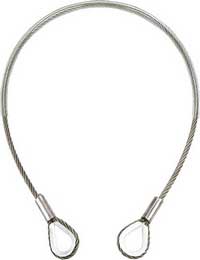
The ends are typically finished with mechanical fittings, crimped sleeves, or hand-applied splices, depending on the application and load capacity. Wire rope slings are designed for heavy-duty lifting applications where strength, durability, and wear resistance are required.

They are typically flat and equipped with reinforced loops at both ends for attachment to hoists, cranes, and other lifting equipment.
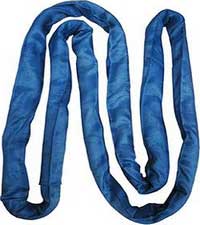
Instead of relying on exposed woven layers, round synthetic lifting slings are constructed from multiple strands of core fibers arranged in an endless loop, which distributes wear points along the entire length of the sling.
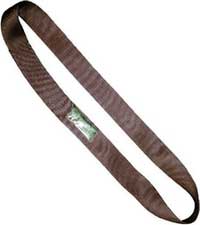
This seamless construction eliminates weak points that could compromise the sling’s integrity during lifting operations.
The slings are made of high-strength polyester and features flat designs that provides a wide contact surface, reducing pressure points and minimizing damage to the load.
The lifting slings described in this article are commonly used, but suppliers of lifting equipment can likely come up with other types and designs.
Related Post(s)
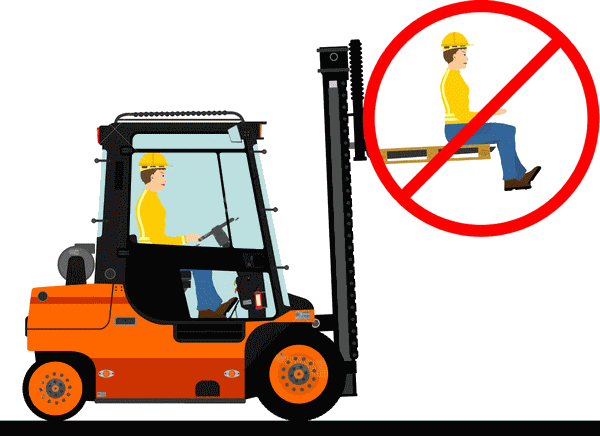
Never allow anyone to be lifted while standing on the forks or on a pallet lifted by the forks!..